HSE Training and E-Learning Solutions Health, Safety, and Environment management has become a critical part of every successful business. Modern organisations are expected to provide safe working environments, maintain compliance with industry regulations, and ensure employees understand workplace safety procedures. Professional HSE training and e-learning solutions help businesses achieve these goals by improving employee awareness, reducing workplace risks, and building a strong safety culture across all levels of the organisation.
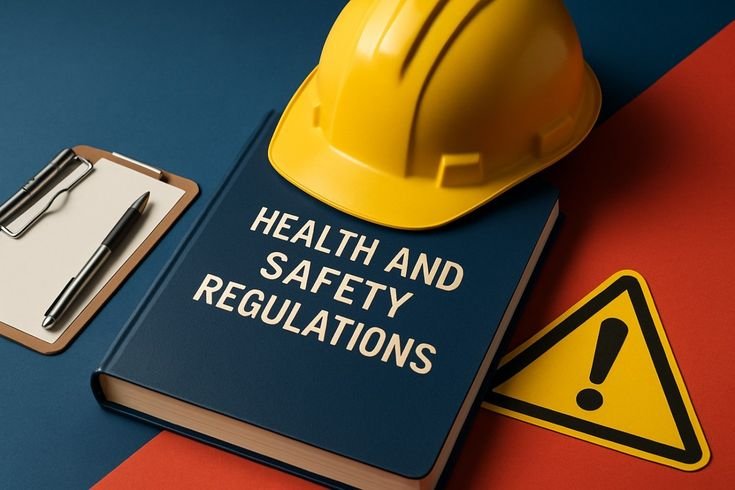
As industries continue to evolve, businesses are moving beyond traditional training methods and adopting modern digital learning solutions that offer flexibility, engagement, and measurable results. Professional HSE training programmes combine practical workplace knowledge, interactive learning experiences, and real-world safety scenarios to create lasting behavioural change among employees.
Importance of HSE Training in Modern Workplaces
HSE Training and E-Learning Solutions Workplace safety is no longer limited to meeting legal obligations. It has become an important factor in protecting employees, improving productivity, and strengthening organisational reputation. HSE training helps employees understand potential hazards, follow safe work practices, and respond effectively during emergencies.
Every workplace contains risks, whether in construction sites, manufacturing facilities, offices, warehouses, or healthcare environments. Without proper training, employees may struggle to identify hazards or handle dangerous situations safely. Professional HSE programmes provide workers with the knowledge and confidence needed to perform their duties responsibly and safely.
Businesses that invest in safety education create healthier work environments where employees feel valued and protected. This contributes to better morale, increased productivity, and reduced workplace incidents.
Benefits of Professional HSE Training Programmes
Professional HSE training delivers several long-term benefits for organisations across different industries. One of the most important advantages is improved workplace safety awareness. Employees become more capable of recognising hazards, preventing accidents, and following established safety procedures.
Training programmes also help organisations maintain compliance with health and safety regulations. Businesses that fail to meet legal requirements may face penalties, operational disruptions, and reputational damage. Professional training ensures that employees understand workplace policies, emergency procedures, and compliance responsibilities.
Another key benefit is the reduction of workplace accidents and injuries. Proper training lowers the risk of incidents caused by unsafe behaviour, lack of awareness, or improper equipment handling. Fewer accidents lead to lower compensation costs, reduced downtime, and improved operational efficiency.
Professional HSE training also strengthens employee confidence. Workers who understand safety procedures feel more secure in their roles and are better prepared to manage workplace challenges effectively.
The Growing Role of E-Learning in HSE Training
Digital transformation has significantly changed how businesses deliver employee training. E-learning solutions have become one of the most effective methods for providing flexible and engaging HSE education. HSE Training and E-Learning Solutions Online learning platforms allow employees to access training materials anytime and from any location, making learning more convenient and accessible.
E-learning programmes are especially beneficial for organisations with remote teams, multiple locations, or large workforces. Businesses can deliver consistent training experiences across departments while tracking employee progress and performance through digital systems.
Interactive learning methods such as videos, quizzes, simulations, and scenario-based exercises improve employee engagement and knowledge retention. Instead of relying solely on traditional classroom instruction, modern e-learning platforms encourage active participation and practical understanding.
Digital HSE training also allows organisations to update content quickly whenever safety regulations or workplace procedures change. This helps businesses remain compliant while ensuring employees always receive current and relevant information.
Building a Strong Workplace Safety Culture
A strong safety culture is essential for creating safe and productive work environments. Professional HSE training helps businesses establish a culture where safety becomes a shared responsibility among employees, supervisors, and management teams.
Employees who receive regular training are more likely to follow safety procedures, report hazards, and support workplace improvements. Safety awareness becomes part of daily operations rather than just a formal requirement.
Leadership involvement also plays a major role in strengthening workplace safety culture. Managers and supervisors who actively participate in training programmes demonstrate the organisation’s commitment to employee wellbeing and encourage greater accountability throughout the workforce.
When businesses prioritise health and safety education, employees develop stronger trust in the organisation. This positive work environment can improve staff retention, teamwork, and overall workplace morale.
Real-World Scenario Training and Behavioural Change
One of the most effective approaches in modern HSE training is the use of real-world scenarios and practical learning experiences. Employees learn more effectively when training reflects actual workplace situations and challenges they may encounter in their roles.
Scenario-based training helps workers understand how to respond during emergencies, manage hazardous situations, and apply safety procedures correctly. Practical learning creates stronger emotional connections and improves long-term knowledge retention.
Behaviour-based safety training also focuses on encouraging positive workplace habits and reducing risky behaviours. Instead of simply teaching rules, these programmes help employees understand why safety practices matter and how their actions impact themselves and others.
HSE Training and E-Learning Solutions Long-term behavioural change is one of the most valuable outcomes of professional HSE training. Businesses that successfully influence employee behaviour create safer, more responsible work environments with fewer accidents and operational risks.
Customised HSE Training Solutions for Different Industries
Every industry faces unique workplace risks and operational requirements. Professional HSE training providers develop customised learning programmes that address the specific needs of different sectors.
Construction companies may require training on working at heights, equipment handling, and site safety management. Manufacturing industries often focus on machinery safety, chemical handling, and emergency response procedures. Office environments may prioritise ergonomic safety, fire prevention, and employee wellbeing programmes.
Customised training ensures employees receive relevant and practical information that directly applies to their workplace responsibilities. Tailored programmes improve training effectiveness and support better compliance with industry-specific regulations.
Businesses can also integrate company policies, operational procedures, and internal safety standards into customised learning content to create a more consistent and engaging training experience.
Technology and Innovation in HSE Learning
Modern HSE learning solutions increasingly incorporate digital innovation to improve training quality and accessibility. Interactive platforms, virtual learning environments, mobile applications, and cloud-based systems are transforming workplace safety education.
Employees can complete training modules through smartphones, tablets, or desktop devices, making learning more flexible and convenient. Some organisations also use virtual reality and simulation technologies to create immersive safety experiences that replicate real workplace hazards.
Digital reporting and tracking systems help businesses monitor employee progress, certification status, and compliance requirements more efficiently. Automated systems reduce administrative workload while improving training management accuracy.
Technology-driven learning experiences not only improve engagement but also support continuous employee development and long-term organisational growth.
Supporting Business Growth Through Workplace Safety
Investing in professional HSE training and e-learning solutions benefits businesses far beyond regulatory compliance. Safe and well-trained employees contribute to smoother operations, improved productivity, and stronger business performance.
Organisations with strong safety records often gain better trust from clients, investors, and industry partners. A commitment to workplace safety reflects professionalism, reliability, and responsible business management.
Reduced workplace incidents also help businesses lower operational costs associated with injuries, legal claims, equipment damage, and employee absenteeism. Improved safety performance creates more stable and efficient working environments that support long-term growth.
By prioritising employee education and safety culture development, businesses position themselves as forward-thinking organisations that value both people and performance.
Conclusion
Professional HSE training and e-learning solutions play a vital role in helping businesses create safer, more compliant, and more productive workplaces. Modern training programmes combine practical knowledge, interactive learning methods, and digital innovation to improve employee awareness and encourage lasting behavioural change.
As workplaces continue to evolve, organisations must adopt flexible and engaging training approaches that address current industry challenges and future safety demands. Investing in customised HSE education not only protects employees but also strengthens operational performance, workplace culture, and long-term business success.
Businesses that prioritise health and safety training demonstrate a strong commitment to employee wellbeing, compliance excellence, and sustainable growth in today’s competitive business environment.